Friday, March 29, 2013

How to Soak Grains for Optimal Nutrition


http://thenourishinghome.com/2012/03/how-to-soak-grains-for-optimal-nutrition/


How to Soak Grains for Optimal Nutrition

At first glance, soaking may seem intimidating, time-consuming and even risky – after all, who would actually leave prepared food out on the counter for 24 hours before cooking it? Well, the truth is … your ancestors did!
So before we explore the joys of soaking, first allow me to assure you that soaking is quick, easy and best of all, it’s significantly beneficial to your health!

Why Soak Your Grains?
In a nutshell, the centuries-old process of soaking grains, also known as culturing, helps to breakdown the antinutrients and hard-to-digest components of the grain and at the same time, helps to release highly beneficial nutrients.
Soaking grains really is very easy! It just takes a little planning ahead. The result is a highly nutritious and easy-to-digest whole-grain food with wonderful robust flavor.
So let’s get started! Below are some simple tips to help you discover the joys of soaking.
Why is it so important to remove/reduce phytic acid (phytates)?
Phytic acid is an antinutrient found in grains and legumes which binds important minerals preventing your body from fully absorbing them. Consumption of high levels of phytates:
• results in mineral deficiencies, leading to poor bone health and tooth decay
• blocks absorption of zinc, iron, phosphorous and magnesium
• causes body to leech calcium
• lowers metabolism
• contributes to anemia
Phytase to the Rescue!
Phytase is a natural enzyme that is present in varying degrees within grains, seeds and nuts. This helpful enzyme, when properly activated, works to break down the phytic acid (phytates), and also helps to release beneficial nutrients, making them more bioavailable (more easily digested).
Unfortunately, cooking is not enough to adequately release phytase and reduce phytic acid. Instead, there are three basic methods for utilizing phytase to help reduce phytic acid:
• Sprouting – activates phytase, thus reducing phytic acid
• Soaking grains/flour in an acid medium at a warm temperature – also activates phytase and reduces, or even eliminates phytic acid
• Souring – another option to reduce/eliminate phytic acid
In general, the best means of significantly reducing phytic acid in grains and legumes is a combination of acidic soaking for considerable time, followed by cooking.
It’s important to note that not all grains contain enough phytase to eliminate phytic acid even when soaked, such as oats and corn. However, wheat flours (such as whole wheat, spelt and kamut) and rye flour contain high levels of phytase. Therefore, adding a small amount of rye flour (or rolled rye flakes) to your oat or corn acid-soak will help to reduce the high levels of phytic acid found in these grains.
Phytate FUNdamental: Did you know that the absorbable calcium from bone broths and raw dairy products, and vitamin D from certain animal fats also reduce the adverse effects of phytic acid.
The Key to Effective Soaking
As mentioned above, soaking is an effective method used to help breakdown the difficult to digest components of grains, called phytates. There are several acid mediums used in soaking. They include dairy based acid-mediums, such as whey, whole milk kefir, cultured buttermilk and whole milk yogurt. Non-dairy acid mediums can also be used, including lemon juice, raw apple cider vinegar and coconut milk kefir or water kefir. These acid mediums are used as a catalyst to initiate the culturing/fermenting process that enables phytase be released.
How to properly use cultured acid mediums to achieve an easier to digest, more nutritionally robust grain-based food, is discussed in detail below.
Again, for those who are dairy sensitive or simply wish to avoid using dairy, water kefir and coconut milk kefir are two great options for dairy-free soaking. In addition, fresh-squeezed lemon juice or raw apple cider vinegar can be substituted for cultured dairy acid mediums. The basic rule of thumb is to use approximately one teaspoon of lemon juice, or apple cider vinegar, mixed with one cup of warm filtered water. Simply use this mixture to replace the liquids in the recipe (so, for example, two cups of kefir could be replaced with two cups of water mixed with two teaspoons of lemon juice or apple cider vinegar). 
Kefir FUNdamental: Did you know you can make your own kefir? Kefir grains can be purchased to make milk-based kefir, coconut kefir, and kefir water. A great resource for all things cultured is Cultures for Health.
Getting Started …
1. Soaking Whole Grain Flour
Generally, when it comes to soaking flour, it’s as simple as a 12-24 hour soak. Most flour is high in phytase, the enzyme that helps to break down the phytates, so a simple soak is all that is needed to get the most nutritional bang out of your grains! Remember, your soak should contain some form of an acid medium whether you choose to use a dairy option (such as whey, kefir or cultured buttermilk), or a dairy-free option (such as coconut milk kefir, raw apple cider vinegar), it’s up to you!
If you are new to soaking your whole grain flour, start out by following a simple recipe, such as my “24-hour Power Muffins.” Following this easy recipe will enable you to see how simple soaking is, and experience how delicious and nutritious it is too! Then, start exploring more recipes by visiting real food based websites. I also highly recommend Sally Fallon’s book “Nourishing Traditions,” which is the book that has inspired me and so many other real food advocates out there.
2. Whole Grains
Soaking whole grains (like brown rice for example) is as simple as some *warm filtered water mixed with a small amount of an acid medium. The result of this process is that it helps to break down the hard to digest components of the grain, while releasing the highly beneficial nutrients. (*I use a tea kettle to warm my water until it’s hot to the touch, but not scalding.)
The general rule is to add enough warm water to cover the grain, and then add a small amount of an acid medium to every one cup of grain. As noted above, you can choose a dairy-based acid medium (such as whey, kefir or cultured buttermilk), or a dairy-free option (such as coconut milk kefir, raw apple cider vinegar). Then soak overnight or up to 24-hours at room temp.
For details on soaking brown rice, check out my Simple Soaked Brown Rice recipe.
Please note: A recent study showed that you can greatly reduce the phytic acid (up to 96%)in brown rice by using a method called accelerated fermentation. For more information, I recommend reading Kitchen Stewardship’s post with details on the process.
 • Oats:
The one exception to the above soaking rule is oats. Oats contain a large amount of hard-to-digest phytates and other anti-nutrients. Unfortunately oats are so low in phytase (the enzyme that helps to break down phytates), that soaking them in warm water mixed with an acid medium is not enough to adequately break down the large amount of anti-nutrients that naturally occur.
However, with the help of some additional phytase added to the soak (in the form of rolled rye flakes, or if you’re GF use ground buckwheat groats – both are high in phytase) – along with a full 24-hour soak time – a significant amount of the anti-nutrients can be removed, making the oats more digestible and nutritionally sound.
This is accomplished by using the following formula:
For every one cup of *oats, add enough warm water to cover the oats, and then add one tablespoon of a dairy-based acid medium or one teaspoon of a dairy-free acid medium (see note below) and one tablespoon of either rolled rye flakes (or rye flour or spelt flour) or if you’re Gf, use ground buckwheat groats. Then soak at least 24-hours at room temp. Once soaking time is completed, drain oats in a fine-mesh strainer and gently rinse.
Please note: I have found the taste of soaked oats using a dairy-based acid medium (such as kefir or yogurt) to be a bit too sour for our liking. So, we use raw apple cider vinegar instead. Give it a try in this delicious Soaked Oatmeal Breakfast Porridge recipe.
*For best nutritional value, use regular rolled oats (called traditional oats) or steel cut oats, not the quick-cook variety, as they are more processed and result in a pasty, less tasty oatmeal when soaked.
*If you’re GF and can tolerate oats, be sure to look for certified GF Rolled Oats.
• Buckwheat Groats:
Buckwheat cereal (also called ground buckwheat groats) is a delicious grain-free (gluten-free) alternative to oatmeal. It’s creamy texture is similar to farina. When soaking buckwheat groats, reduce the soak time to 7-8 hours max, or it will become to pasty/mushy. That’s because buckwheat has a relatively high phytase content (the good enzyme that breaks down phytic acid).
3. Nuts/Seeds
According to the WAPF’s extensive white paper “Living With Phytic Acid,” there is still not enough adequate research on nut/seed preparation to say with any certainty how much phytic acid is reduced by various preparation techniques. However, it is known that soaking nuts/seeds in salt water for approximately seven hours and then dehydrating them to make “crispy nuts” helps to make the nuts more digestible and less likely to cause intestinal discomfort. Additionally, roasting most likely helps to further remove phytic acid, based on research conducted with chickpeas.
4. Beans/Legumes
The optimal method for preparing beans is to soak them in hot water (140 degrees) for at least 12-24 hours, changing the soaking water at least once during this time, followed by a thorough rinsing and then long cooking process. In general, soaking beans and then cooking helps to eliminate approximately 50% of the phytic acid. There are conflicting opinions about whether an acid medium is necessary. WAPF recommends using an acid medium such as whey, lemon juice or raw apple cider vinegar when soaking beans. Whereas PhyticAcid.org reports its studies indicate that the addition of the acid medium reduces the flavor and texture of the bean, while only aiding slightly in the further reduction of phytic acid. My personal experience has led me to side, in this case, with the no acid medium option.
For more information about soaking grains, nuts and beans, I highly recommend reading Sally Fallon’s book Nourishing Traditions. Happy soaking!

Thursday, March 28, 2013

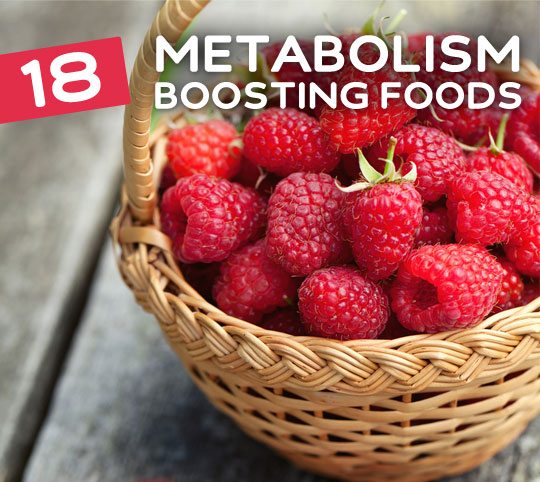
18 Metabolism Boosting Foods


http://bembu.com/metabolism-boosting-foods


18 Metabolism Boosting Foods

When it comes to losing weight and being healthier overall, increasing your metabolism plays a big part. A faster metabolism helps you with digestion, and helps burn off fat and pounds, even while you’re sleeping. Conversely, a slow metabolism can thwart your dieting and weight loss efforts and leave you in a state of frustration, feeling like you’re genetically programmed to be heavy. Here are foods that have been shown to help give your metabolism a boost and get you on your way to a fitter you.
Almonds
You don’t want to go too big on the almonds, because their fat content can undo any boost they have to your metabolism, but research suggests that almonds and other tree nuts can help you out due to the essential fatty acids they contain. The good thing is they taste great, so you can use them as a snack to hold you over until your next meal, or you can chop them up and use them to top a main or side dish. Green beans are one vegetable that lends itself well to slivered almonds. And if you want to liven things up you can get similar benefits from other nuts like walnuts or cashews.
Asparagus
Some claim that asparagus is a negative calorie food, requiring more calories to chew and digest it than it contains. While this may or may not be the case, it’s clear that its caloric load is low, while it nutrient load is high. It makes a great food for dieting because of its unique and delicious taste. It’s a great side sitting next to a lean meat. Get the organic kind if available, as this will help keep it a very healthy vegetable to assist you in your efforts.
Beans
Beans are often suggested for those wanting to lose weight because their nutrient makeup is such that they have a very positive effect on your metabolism. While they may be colloquially known as the musical fruit, they are definitely worth exploring if you don’t currently include them in your regular diet. They make a great side dish for most lunches and dinners, and they can easily be added to soups and chili to make them more robust and flavorful. In the Slow Carb Diet featured in The Four Hour Body, beans are front and center for their slow-burning properties.
Cruciferous Vegetables
The B Vitamins that are contained in foods like Cabbage, Brussels Sprouts, Broccoli, Cauliflower, and others has a healthy effect on your metabolism and can really start to turn things around if you previously didn’t give much care or attention to the matter. These aren’t the easiest veggies to increase your intake of, but if you look for recipes that contain them they’ll usually include them with other ingredients that make them taste better than eating them straight.
Celery
Celery is one of those quintessential diet foods that you see people unhappily gnawing on in lieu of ice cream and hamburgers. But aside from the stereotype, there is something to be said for eating celery if you want to turn over a new leaf and get your metabolism going. It’s thought of as a thermogenic food, and also has high levels of calcium to boot. Try dipping them in organic peanut butter so that you can get some good fats along with this time-tested metabolism booster.
Coconut Oil
For a long time coconut oil was not suggested as a good oil to use because of its high fat content. Now we know more about good fats vs. bad fats and it’s become clear that there are plenty of benefits to consuming coconut oil, including the positive results on the metabolism. The only thing is that you can’t rely on just this for your efforts, as it only provides a minimal boost, and it doesn’t last indefinitely.

Coffee
Whether or not you want to start drinking coffee to speed up your metabolism is up to you. It’s often mentioned as a food that can help you burn calories, but at the same time it takes its toll on the liver, and you should drink 3 extra cups of water for every cup of coffee you have in order to help your liver flush out the caffeine and stay hydrated. You’ll also have to take care not to add a bunch of sugar and cream, or go with a specialty coffee that will have way too many calories and carbs.
Cucumbers
You might not look at cucumbers the same way the next time you see them in a your salad. There are plenty of reasons why they play nicely into your metabolism-boosting strategy. They’re packed with water, so they help to hydrate your body, plus they have plenty of vitamins, nutrients, and fiber, all with very low caloric levels. You can try adding them to more than just salads. Cucumber slices or sticks can make a nice side dish to a sandwich or wrap, and can be combined with other vegetables in a healthy mix.
Easy-to-Find Fruits
Maybe you heard the debates going on about exotic fruits like the acai berry, or noni fruit. But you don’t have to get exotic in order to find fruits that will serve as a boost to your metabolism. You can find items like Strawberries, Raspberries, Pears, Peaches, Apples, Oranges, and Grapefruit at your local supermarket. Opt for organic whenever possible, and realize that it’s a matter of tipping the balance so you’re eating more of these foods than you are foods that can slow your metabolism down.
Ginger
The best way to start getting more ginger is to use it when cooking other foods. It’s not like you can sit around eating a bunch of ginger root. But it does add a good amount of flavor, and has been shown to have metabolism-increasing properties. Dr. Oz recommends tossing into your next stir fry, and if you use skinless boneless chicken breast, spices, and veggies like celery and carrots you’ll soon have a calorie burning meal that will hold you over for hours.
Green Tea
Green tea has plenty of health benefits, and shows up as a superfood on many lists of the healthiest things you can put in your body. If you’re looking for increased metabolism production you might be surprised to learn that the EGCG in green tea is often used by diet pill manufacturers for this very reason. Rather than mess around with the risk and expense of weight loss pills, it’s better to go with the natural source and increase your intake of green tea. If hot tea isn’t your thing, brew a pot and let it cool or pour it over ice.
Lean Meats
Lean meats should be combined with exercise to help you develop leaner muscles which in turn leads to an increase in your metabolism. They should have a good amount of protein to them, with fewer calories and fat than their non-lean counterparts. Examples of quality protein you can add to your diet in order to help strengthen your muscles are chicken breast, turkey breast, When making a meal that’s great for your body take some vegetables found on this page, as well as the spices listed below, use the on these lean meats and you’ll be on your way.
Lemon
Adding a lemon wedge or slice to your water does more than just make it taste better, it also helps to cleanse the digestive tract. You don’t have to go on any zany Lemonade Diet or take extreme measures, and it’s best not to rely on lemons or any other of these foods to have a huge effect on your metabolism. But they can all work in tandem with each other, and with an increase in the amount of exercise you get each day, and you’ll see the positive effects soon enough.
Melon
Popular melons like Honeydew and Cantaloupe not only taste great, but are also low in calories and have been featured in countless diet books and programs. The cantaloupe especially has been thought to be a good that contains fewer calories than it takes to eat it, meaning that you’re actually losing weight by consuming it. It’s never been proven, but these are still great foods to add to your diet, and they can be found year round in the produce department.
Oatmeal
Oatmeal is a good start to the day for most people. Compared to other breakfast options it has plenty more fiber, and as your body works to break it down and pass it through it revs itself up and burns off more calories. It’s also been shown to lower your cholesterol, so there’s plenty of reason to eat it. Just be sure you don’t have a gluten allergy or gluten sensitivity, or you won’t be able to get the same sort of benefits that others get from consuming it.
Spices
There are plenty of spices out there that have been shown to be able to charge up your metabolism. Up for your consideration are Curry, Black Pepper, Mustard, Cayenne Pepper, and Cinnamon. You don’t have to eat spoonfuls of these spices directly, but don’t be shy with them, as they can help to add flavor to otherwise bland foods. If you spot other foods on this list that you don’t fancy eating, try spicing them up with the above spices and you’ll be serving up a one-two punch to a sluggish metabolism.
Spinach
Spinach puts up some respectable numbers in the B Vitamin department, which leads to a more productive metabolism. And aside from the direct relation, it’s also good for muscle function. If you’re strength training, spinach will help your muscles recover, and this will lead to a faster metabolism because you’ll end up with better muscle mass which directly leads to burning up more calories, even when you’re asleep.
Water
Keep all of your organs happy and functioning the way they should be making sure you get enough water each day. Your metabolism won’t be at its best when your body is yearning for hydration. Any drink other than water helps to dehydrate the body, so it’s really easy to get into a dehydrated state, and harder than you might think to get properly hydrated. Start off slowly, but introducing one new glass of water in phases and see how your body responds.
The best foods to boost your metabolism.
Keep in mind that it’s not necessary to switch your diet to only these foods or do anything extreme. Just try to get more of them into your daily menu than you currently do and you should start to see the results of your efforts. Revving up your metabolism is not something that happens overnight, so don’t look for a quantum leap. Your body needs time to adjust to your new way of eating. But if you’re consistent it will get the hint and start paying dividends.

The 21 foods that set your Metabolism on Fire and Boost your Energy All Day!


http://fthefreshman15.com/21-energy-boosting-food/


The 21 foods that set your Metabolism on Fire and Boost your Energy All Day!

Grocery Shopping
Imagine if there was a type of delicious food that made you THINNER just by eating it. But wait, how is that possible…Doesn’t food make you fat?
Hell, NO!
Aside from the fact that EATING in general will give you energy and speed up your metabolism, there are certain foods that really kick you into energetic, fat-burning shape. Take a look at this list of top fat-burning foods below, and… bon appétit!
  1. Almonds: Although all nuts are generally very good for you, almonds are the winner!  They are loaded with healthy fat, fiber, and protein, and contain just the right proportions of essential fatty acids that you need to raise your metabolism. Nuts are high in calories though, so don’t go overboard!  10 – 15 almonds equals one serving…. Not 50. Pine nuts, cashews and walnuts are also very good choices… but again, make sure you don’t eat too many.
  2. Apples: An apple a day is good for more than just “keeping the doctor away”; Apples are also great for keeping fat away! Each apple is loaded with 15% of your daily recommended fiber, which impedes absorption of glucose in the bloodstream to help regulate blood glucose levels by slowing the absorption of dietary sugar intake. Apples will also make you feel full longer, help keep your digestive system healthy and strong, and contain a plethora of phytonutrients that function as antioxidants. Apples are also the only fruit that contains the flavinoid “phlorizdon”, which has been found to play a key role in improving lung function, especially in women with asthma.
  3. Beans: Beans are loaded with fiber and protein that helps you feel full longer, and helps keep your digestive system healthy and active! Again, not TOO many though… or your roommate/boyfriend/husband might stop liking you.
  4. Berries: I call them “nature’s candy”! They are naturally sweet, and are PACKED full of antioxidants, metabolism-boosting vitamins and phytochemicals, and cancer-fighting flavanoids. Blueberries and raspberries also contain lutein, which helps promote healthy vision.
  5. Cayenne Pepper: You may have heard people say that spicy food boosts your metabolism…. But are they right?!  Well, yes – as long as that spicy food isn’t from the greasy Mexican restaurant down the street.  The reason why cayenne pepper raises your metabolism is this: spicy food raises your body temperature, which then forces your body to work harder to cool itself down.  This “cooling” process actually requires calories…which thus generates a sort of “fire” for your metabolism.  So, if you can take the heat, GO FOR IT!  Sprinkle it (sparingly) on your turkey or chicken or on your lean hamburgers. You can even use it to spice up your veggies and your soup, if you dare.
  6. Chicken breast: Like turkey, this is a lean meat that no diet should be without!  Just don’t forget to remove the skin, and don’t eat it fried… as this totally kills all the health benefits.
  7. Coffee: Although it does dehydrate (drink an extra glass of water for every cup of coffee you consume!), the most recent research about caffeine and coffee suggest many positive benefits. These include: Speeding up your metabolism, increased heart health, higher levels of concentration, and many more. Just don’t ruin it with tons of cream and sugar… or try adding skim milk and splenda!
  8. Eggs: Eggs are one of the highest quality protein sources available. They are also one of the BEST foods for boosting your metabolism, and should be part of every healthy woman’s diet! (Don’t go crazy here though – no more than 3-4 whole eggs per week, or your cholesterol might go through the roof.  Eat as many egg whites as you’d like though!)
  9. Extra Virgin Olive Oil and Canola Oil: When cooking, you should never use any oil except for Extra virgin olive oil or canola oil.  Unlike corn and vegetable oils, these oils contain the HEALTHY kinds of fat – those heart and brain-healthy omega-3’s.  Olive oil is also the HEALTHIEST salad dressing you could possibly use! (Add some spices to 1 tablespoon of olive oil for a killer dressing!)
  10. Green TeaGreen tea is one of the best metabolism-boosters you can drink!  In fact, green tea is one of the main ingredients in many expensive fat burning supplements on the market. Green tea also helps decrease your risk of cancer, reduces food cravings, helps maintain weight loss, and contains just enough caffeine to help get you going in the morning.
  11. Natural YogurtGreek-style natural yogurt is best; it contains much less sugar and much more protein than other varieties. But, any kind of low-fat yogurt (look for one with the lowest sugar content) also contains many pro-biotic cultures that are necessary for maintaining a healthy digestive system, and is high in protein and much-needed calcium (another great fat-burner)!
  12. Peanut Butter: Peanut butter is a diet secret. While it does contain a high amount of calories per spoonful (don’t eat it out of the jar), it also contains a ton of essential fatty acids, fiber, and even protein.  Try spreading it on a sliced banana, or on celery with raisins for an amazing study snack!
  13. Rolled Oats: With high quality combinations of complex carbohydrates, healthy fats, fiber, and protein, rolled oats make a pretty near PERFECT meal in the morning. Mix in some whey protein and flaxmeal, and you’ve got the best metabolism-boosting elixir around!  The morning is the optimal time to eat rolled oats because your brain and body need the carbohydrates most at this time – after you’ve been fasting for 6 hours or so.
  14. Salmon: Research suggests that while saturated fats (like those found in deep-fried foods) appear to promote weight gain, the healthy omega-3 fats found in cold water fish, such as salmon (and tuna), actually reduce the risk of becoming obese and improve the body’s ability to react to insulin. How can “fat” help make you slimmer? Well, the omega 3 fatty acid (EPA) found in Salmon stimulates the secretion of leptin, a hormone that regulates food intake, body weight and metabolism, and aids in the break-down of unwanted fatty tissues.  The healthy oils found in salmon have also been shown to reduce inflammation in your joints, and to improve circulation and heart health.
  15. Spinach: Popeye ate spinach, and so should YOU! Spinach really does make you stronger too – it is loaded with antioxidants that help repair damaged muscles. Spinach also prevents cancer-causing free radicals from damaging your body and your health. Spinach is also super high in iron (also great for women), vitamin C, potassium and magnesium.
  16. Steak/ Lean red meat: Recent studies show that you should eat lean red meat once per week.  Red meat contains creatine monohydrate, a common ingredient in body-building supplements. This nutrient helps your body use ATP to aid in the muscle-building and toning process, which in turn leads to a higher metabolism!
  17. Turkey: Turkey is a diet necessity. It is a great source of lean complete protein which helps you stay focused, and helps build muscle and helps increase your metabolism. There is a growing body of evidence indicating that the amino acid tryptophan (found in turkey) plays an important role in immune function, and in cancer prevention. As an added bonus, eating turkey also releases “happy hormones” such as serotonin into your blood stream, which actually has been shown to improve your mood.
  18. Vegetables: Vegetables are NECESSARY for maintaining a high metabolism, and contain high-quality fiber, vitamins, and minerals that you won’t be able to find in any pill or health supplement out there. Veggies are also extremely low in calories, so feel free to sneak extra veggies into your diet whenever you can!!
  19. Water: A recent study showed that drinking COLD water frequently throughout your day (at least 6 – 8 glasses) actually increases your average metabolic rate by nearly 25%.  Another study also showed that dehydration leads to over-eating, because thirst is often misinterpreted as hunger cravings. Hungry when you shouldn’t be? Try drinking a glass of water!  Chances are that you were actuallythirsty, not hungry. Staying hydrated also increases your body’s ability to move nutrients around faster, eliminate toxins, and also prevents fatigue and bloating by flushing excess water from your system.
  20. Whey Protein: Whey protein (comes from cows) is a complete, high-quality protein. It is also one of the best fuels for your metabolism.  Not only does whey protein boost your metabolism into high gear, but it also helps your body feel fuller longer.  Again, mix half a scoop into your oatmeal in the morning for the ultimate fat-burning breakfast.
  21. Whole grains: Be careful here though… just because the package says “whole wheat” doesn’t mean this is a good choice!  Make sure the product is 100%whole grain, and make sure the first ingredient on the label is WHOLE wheat or WHOLE grain/oats. Often, companies will advertise “enriched wheat flour” as “whole wheat”, but this is really no better than white bread.  As long as the grains are truly whole grains, then go for it! They will give you real energy to get through your day, without the awful fat storage, and minus the insulin spike and crash you’d get from white breads.
So, there you have it. Food that actually makes you thin!
If you still don’t believe me, start adding these delicious foods into your diet today and notice immediate improvements in digestion, energy, and the ability for your body toburn fat like an oven.
Want more?

 Get a more detailed nutrition and workout program below!

Quickstart 2-week FREE ProgramJill's 4-Week Complete Program


If you liked it please share it :)